
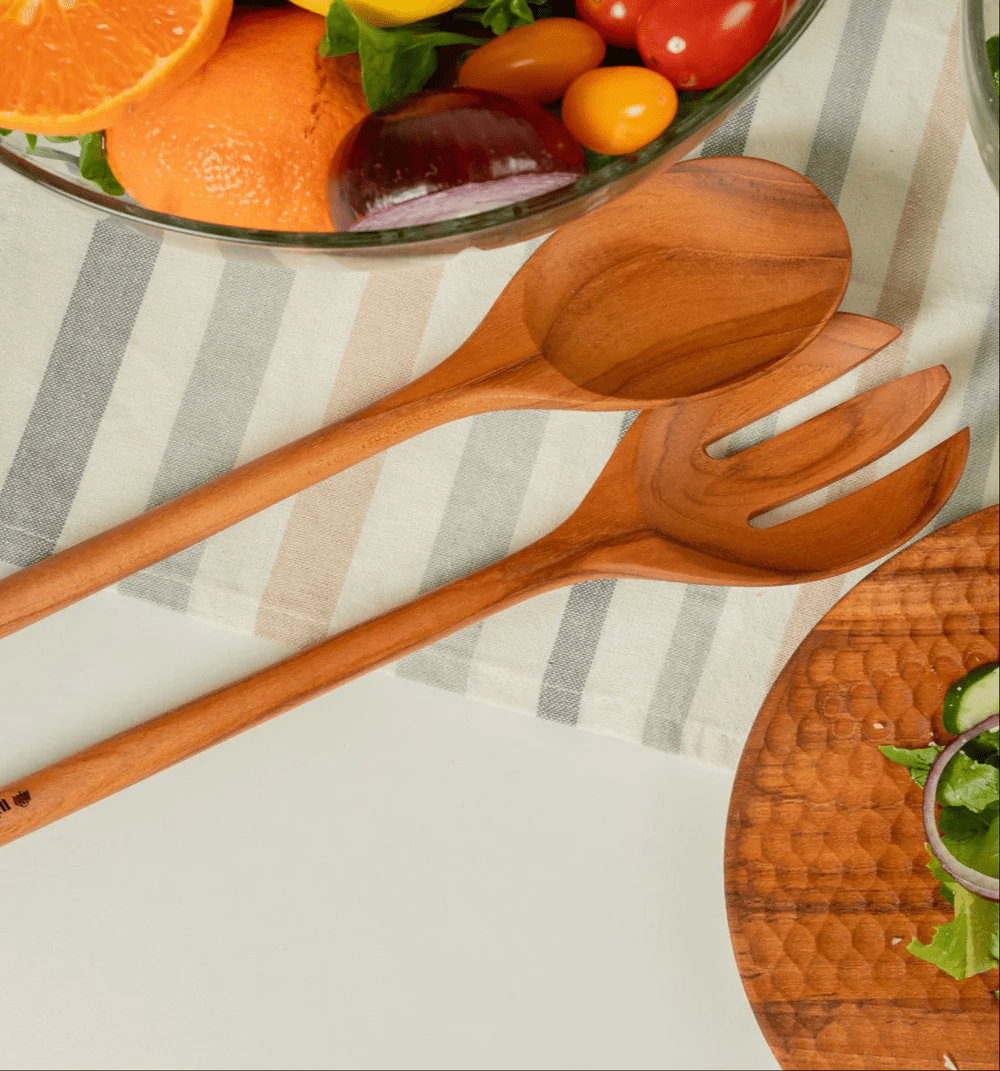
Acacia vs Teak Cooking Utensils: Which Wood Is Better?
Choosing the right utensils for your kitchen goes far beyond simple aesthetics. The material of your tools directly affects how well they work, how long they last, and how safe they are for everyday cooking. Two popular wood choices that come up often in this conversation are acacia and teak. Both are natural, attractive, and widely available, but they are not the same in terms of performance or value.
This guide takes a detailed look at acacia vs teak cooking utensils to help you make a well-informed decision for your home kitchen. Whether you are upgrading an old set or building a new one from scratch, understanding the difference between these two woods will help you invest wisely.
Understanding Acacia and Teak Wood
Both acacia and teak are hardwoods commonly used for kitchen utensils. However, their structure, oil content, and durability vary significantly.
What is Acacia Wood?
Acacia is a fast-growing hardwood sourced from a wide variety of tree species found across Africa, Asia, and Australia. It is known for its striking grain patterns and warm, varied tones that range from golden yellow to deep brown. Acacia is widely used in cutting boards, bowls, salad servers, and cooking utensils because it is relatively affordable and visually appealing.
However, acacia is not a single uniform species. The quality and density of acacia products can vary significantly depending on the source, which means performance is not always consistent.
What is Teak Wood?
Teak is a premium tropical hardwood most commonly sourced from Southeast Asia, particularly Thailand, Indonesia, and Myanmar. It has been used in high-end furniture, boat building, and fine homeware for centuries. Teak contains a high concentration of natural oils and a tight grain structure that gives it exceptional resistance to moisture, heat, and general wear.
Teak cooking utensils are valued in professional and home kitchens alike for their durability and their gentle impact on cookware surfaces. Their consistent density and composition make them a reliable choice across all types of cooking environments.
Acacia vs Teak: Which Wood Offers Better Value?
Durability and Hardness
Teak is more resistant to denting, surface scratches, and the general physical stress that comes with daily kitchen use. The tight grain structure in teak prevents cracking and splintering over time, even with regular washing and heat exposure.
Acacia is reasonably hard, but its quality varies by species. Some acacia tools can begin to show surface wear, minor cracking, or splitting after several months of heavy use, particularly if they are not maintained with regular oiling.
Moisture Resistance
Teak contains naturally occurring oils that form a built-in barrier against moisture. This means teak utensils do not absorb water as readily as other woods, which reduces the risk of swelling, warping, and bacterial growth inside the grain.
Acacia is more porous by comparison. While it can be treated with mineral oil to improve water resistance, it does not hold that protection as long as teak does naturally. This makes acacia more vulnerable in humid kitchens or when utensils are accidentally left damp.
Hygiene and Food Safety
A key concern for any kitchen tool is whether the surface can harbour bacteria over time. Teak kitchen utensils have a naturally dense grain that leaves very little space for food particles, oils, or moisture to penetrate. This makes them easier to clean and less likely to trap bacteria between uses.
Acacia has a wider grain in some species, which means it can absorb more food residue if not cleaned promptly and thoroughly. While it is still a safe material, it requires more consistent maintenance to stay hygienic.
Heat Resistance
Both acacia and teak handle moderate kitchen heat well, making them suitable for stirring, sauteing, and serving. However, teak has a slightly higher tolerance for sustained heat exposure due to its density and natural silica content. This is particularly relevant when stirring sauces or soups in a hot pan over extended periods.
Acacia can hold up under normal cooking temperatures, but repeated exposure to very high heat without proper care may cause the surface to dry out or crack more quickly than teak would.
Cookware Compatibility
One of the most important reasons home cooks choose wooden utensils is to protect their non-stick and ceramic pans. Both acacia and teak are softer than metal, which means neither will scratch coated surfaces the way metal tools do.
That said, the best teak cooking utensils offer a smoother, more polished surface that glides across pan coatings with less friction. The natural oils in teak also contribute to this smooth movement, which helps extend the life of your cookware.
Acacia tools can be slightly rougher, particularly as they age and their grain begins to open up. This does not make them harmful to cookware, but they may require more frequent sanding and oiling to maintain that smooth finish.
Appearance and Grain
Acacia is often chosen for its visual appeal. Its bold, dramatic grain patterns and warm colour variations make it a standout option in the kitchen. If appearance is a priority, acacia certainly delivers.
Teak has a more uniform, medium-brown appearance with a straight grain that some cooks find more refined and consistent. Over time, teak develops a pleasant patina that enhances its natural look without requiring any treatment beyond basic care.
Maintenance Requirements
Teak is a relatively low-maintenance wood compared to acacia. Its high natural oil content means it requires less frequent oiling to stay in good condition. A light application of food-safe mineral oil every few months is generally sufficient to keep teak utensils looking and performing their best.
Acacia needs more regular oiling and careful drying to prevent the grain from opening up or the surface from drying out. If left unattended, acacia tools can deteriorate more noticeably than teak over the same period.
Price and Value
Acacia tends to be more affordable upfront, which is part of its appeal for budget-conscious shoppers. Teak is priced higher because of its superior qualities, longer lifespan, and the care required in sustainable sourcing.
When you factor in longevity and reduced maintenance, teak often works out to be the better long-term investment. A well-made teak utensil set can last for many years, whereas an acacia set may need replacing sooner if it is not maintained consistently.
Final Thoughts
Choosing between acacia and teak ultimately comes down to priorities. Acacia offers affordability and visual charm, while teak provides durability, performance, and ease of care.
For those looking for a dependable, long-term solution, teak remains the preferred choice. At Willow Tree Decor, thoughtfully crafted wooden utensils combine functionality, comfort, and timeless design to elevate everyday cooking. From complete wooden kitchen utensil sets to carefully finished handmade pieces, Willow Tree Decor offers options that support cookware care, comfort, and a more mindful cooking experience.
Frequently Asked Questions
Is teak good for kitchen utensils?
Yes, teak is an excellent material for kitchen utensils because of its natural oils, durability, and resistance to moisture. It maintains its shape and smooth finish even with regular use.
How do you clean teak wood utensils?
Teak utensils should be washed with mild soap and warm water, then dried immediately. Avoid prolonged soaking and apply food-safe oil occasionally to maintain their finish.
Do teak utensils absorb odours?
Teak has a tight grain structure that helps resist absorbing odours and stains, especially when cleaned and dried properly after use.
Which lasts longer, acacia or teak utensils?
Teak utensils generally last longer because of their dense structure and natural resistance to moisture, heat, and wear.
Are wooden utensils better than metal ones?
Wooden utensils are gentler on cookware surfaces and do not conduct heat, making them safer and more comfortable for everyday cooking.
How often should wooden utensils be oiled?
Wooden utensils should be lightly oiled every few weeks, or whenever they begin to look dry, to help maintain their durability and appearance.
